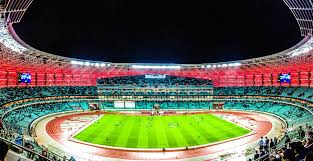
Baku Olympic Stadium
The Baku Olympic Stadium represents not just a beacon of architectural excellence but also a significant catalyst for the local economy and tourism sector in Azerbaijan. Its construction and subsequent hosting of various high-profile events have far-reaching implications that extend well beyond the confines of a sporting venue.
Economic Growth Through Baku Olympic Stadium
The construction of the Baku Olympic Stadium has stimulated substantial economic growth in the region. With an investment of hundreds of millions, the project has created thousands of jobs—both during the construction phase and for ongoing operations. Such a large-scale endeavor typically necessitates a range of ancillary services, including catering, hospitality, transportation, and security, generating further employment opportunities and boosting the regional economy hi88.
Moreover, the infrastructure improvements accompanying the stadium, such as enhanced roadways, public transport systems, and urban development initiatives, have reshaped Baku’s landscape. These investments not only serve the stadium’s needs but also strengthen the broader urban environment, enriching the quality of life for residents.
The economic impact extends to local businesses as well. Small shops, restaurants, and service providers near the stadium benefit significantly when events draw large crowds. This influx of visitors translates into increased spending within the community, further supporting local enterprises and paving the way for long-term economic sustainability.
Boosting Tourism and Global Visibility
The Baku Olympic Stadium has emerged as a central piece in Azerbaijan’s strategy to elevate its global visibility. By hosting internationally recognized sporting events, concerts, and cultural festivals, it attracts a flux of tourists from around the world. Such events put Azerbaijan on the radar of potential visitors, showcasing the country’s rich culture, history, and hospitality.
This surge in tourism brings a multitude of benefits. Hotels experience increased bookings during major events, tourist attractions see more foot traffic, and local economies thrive from the spending of visitors. Not only does this contribute to immediate revenue generation, but it also establishes Azerbaijan as a viable destination for future tourists, encouraging them to explore attractions beyond the stadium itself.
The influence of the stadium on tourism extends to cultural exchanges and partnerships with global organizations. Its recognition as a world-class venue reinforces Azerbaijan’s capabilities as a host nation for future events, creating opportunities for collaboration and investment in tourism.
The Role of Sports Diplomacy
Baku Olympic Stadium stands as a critical player in Azerbaijan’s strategy of sports diplomacy. The events hosted within its walls serve as a platform for bridging cultural gaps and fostering international relations. Engaging in sports diplomacy showcases a nation’s commitment to collaboration and peaceful dialogue, aspects that are especially significant in today’s global context.
By inviting different nations to participate in high-profile events, Azerbaijan cultivates an environment where ideas can be exchanged, and mutual understanding can be fostered. This diplomatic approach aligns with Azerbaijan’s motives to position itself as a central player in the region, acting as a bridge that connects both Eastern and Western cultures.
Moreover, the stadium’s international visibility directly contributes to Azerbaijan’s goals of soft power—where influence is achieved through attraction rather than coercion. Hosting global events allows the country to craft a positive narrative about itself, enhancing its image and reputation abroad.
In conclusion, the economic and diplomatic impacts of the Baku Olympic Stadium further underscore its significance beyond a mere sporting venue. By enhancing infrastructure, boosting tourism, and serving as a conduit for international relations, the stadium continues to contribute profoundly to Azerbaijan’s socio-economic landscape.